The Ultimate Setup Guide for Your Skullcandy Push 720 Open
Category: Audio
Introduction
The Skullcandy Push 720 Open represents Skullcandy's interpretation of the open-ear headphone: a product designed to keep the ears free while delivering personal audio. For shoppers who prioritize situational awareness—runners, commuters, cyclists, and office workers sharing space—open-ear designs promise a balance of sound and safety. This article walks through everything a new owner needs to know to set up, optimize, and get the most from the Push 720 Open, explains real-world use cases, compares it to common alternatives, and offers practical buying guidance.
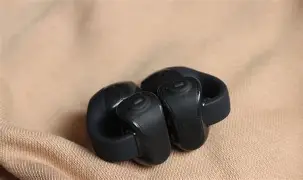
Product overview and analysis
At its core the Push 720 Open is built for people who want music without complete isolation. The design keeps the ear canal open so ambient sound is preserved, making it suitable in environments where hearing traffic, announcements, or conversations matters. The following analysis covers the main attributes buyers typically care about: comfort, sound, connectivity, controls, battery life, and durability.
Design and build
The Push 720 Open follows the open-ear philosophy: lightweight housings, a form factor that rests near the ear rather than over or in it, and materials chosen for extended wear. Users generally report a minimal pressure profile compared with in-ear earbuds, and the band or neckpiece (depending on the variant) is made to stay stable during activity. Aesthetically, Skullcandy tends toward bold color choices and a sporty look, and the Push 720 Open is no exception.
Comfort and fit
Comfort is one of the biggest selling points of open-ear headphones. The Push 720 Open tends to offer a liberal fit that suits most head shapes. For active users, adjustability and non-slip materials are important. Buyers with smaller head sizes or those who want a tighter seal for increased bass should try the headset before purchase when possible, as preferences vary widely.
Sound quality
Open-ear devices trade some low-frequency impact for situational awareness. Expect clarity in mids and highs while bass will feel less pronounced compared with sealed earbuds or over-ear headphones. Skullcandy’s sound tuning typically favors consumer-friendly presentation—clear vocals and energetic treble. Listeners who prioritize pounding bass for workouts should evaluate whether the trade-off is acceptable; many users find the overall balance pleasing for podcasts, jogs, and daily listening.
Microphone and call performance
Microphone performance on open-ear models can be mixed because the mic must isolate voice from ambient noise. The Push 720 Open generally provides understandable call quality in quiet or mildly noisy environments. In very windy or crowded settings, voice pickup may be impacted. Buyers who depend heavily on phone calls should test microphone performance before committing.
Battery and charging
Battery life for open-ear wireless headphones often targets full-day use on a single charge. Charging convenience—USB-C or proprietary dock—affects the user experience more than raw hours for many buyers. Skullcandy frequently supports quick charge features so a short top-up can yield several hours of playtime, which is useful for last-minute outings.
Connectivity and app features
Bluetooth connectivity is standard, with many users valuing features such as multipoint pairing (to keep two devices connected simultaneously), fast re-connection, and device compatibility. Skullcandy typically offers a companion app with EQ presets, firmware updates, and sometimes additional features like ambient sound modes or custom controls. The app can significantly change the usability of the Push 720 Open, so installing it during setup is recommended.
Discover deals on Audio & Headphones — updated daily.
See Deals →Durability and water resistance
For active users, sweat and light rain resistance matter. The Push 720 Open is built with activity in mind, but buyers should check the specific IP rating for confidence in wet conditions. Durable joints and a robust control cluster help the headset survive daily use, especially for those who carry them to the gym or on long runs.
Step-by-step setup guide
This section walks through a practical, reliable setup sequence for a new Push 720 Open out of the box. Following these steps produces the smoothest pairing and optimization experience.
1. Unboxing and inspection
- Remove the headset and accessories from the package and inspect for visible damage or defects.
- Locate the charging cable and any documentation. Read the safety and warranty information.
2. Initial charge
- Charge the headset fully before first use. A full initial charge conditions the battery and prevents early interruptions.
- Use the supplied cable or a compatible USB-C cable. Avoid low-quality cables that may slow charging.
3. Download the companion app
- Install Skullcandy’s app (if available for the Push 720 Open) to access firmware updates, EQ presets, and customization.
- Create an account or sign in if desired; some features (like firmware updates) may require the app.
4. Pairing with a device
- Turn on the headset and put it into Bluetooth pairing mode per the quick-start guide.
- On the phone or computer, open Bluetooth settings and select the Push 720 Open from the list of available devices.
- Confirm any PIN prompts if they appear. Once paired, test audio playback and microphone operation.
5. Firmware updates and EQ
- Open the Skullcandy app to check for firmware updates; install any available updates before regular use.
- Explore the EQ presets and custom settings. Adjust the sound to taste—boosting lower mids can give an impression of more bass without sacrificing openness.
6. Configure controls and voice assistant
- Learn the on-device buttons for play/pause, track skipping, volume, and call handling.
- Enable voice-assistant integration if desired (Siri, Google Assistant) and test voice commands while stationary before relying on them outdoors.
7. Fit testing and practical checks
- Walk around to confirm the headset stays in place. Test with light jogging if planning active use.
- Make a test call in the environment where the headset will be used most often to ensure microphone reliability.
Troubleshooting common setup issues
- No pairing listed: Reset the headset (follow manual) to clear previous pairings, then try again.
- Intermittent audio dropouts: Move away from Wi-Fi routers or crowded 2.4 GHz environments; try re-pairing and installing firmware updates.
- Poor call quality: Make sure the microphone is unobstructed and test in a quieter space; if issues persist, update firmware or contact support.
- Short battery life: Check for background app usage, disable always-on voice features, and ensure firmware is current.
Real-world use cases
The open-ear nature of the Push 720 Open makes it especially useful in scenarios where listening safety and environmental awareness are priorities. Examples include:
- Urban running and cycling: Runners and cyclists can stay aware of traffic and announcements while listening to music or coaching apps.
- Office and coworking spaces: People who need to stay accessible to colleagues but want background music or conference audio often prefer open-ear designs.
- Home life and parenting: Caregivers can keep ears open for children’s needs while using voice calls or streaming media.
- Gym workouts: Those who want ambient awareness while still enjoying music may choose open-ear headphones to avoid isolating themselves from surroundings.
Pros & Cons
- Pros:
- Maintains environmental awareness and situational safety
- Comfortable for long wear without in-ear pressure or occlusion
- Lightweight and stable for many active uses
- Companion app and firmware support can improve feature set over time
- Cons:
- Less low-end impact compared with sealed earbuds or over-ear headphones
- Microphone and call clarity may drop in very noisy outdoor conditions
- Not ideal where noise isolation is required (e.g., noisy flights)
- Open design can leak audio at higher volumes, potentially disturbing nearby people
How the Push 720 Open compares
A concise comparison helps potential buyers decide whether the Push 720 Open fits their needs relative to other options.
| Feature | Skullcandy Push 720 Open | Shokz/OpenRun-style Open-ear | Sealed Over-ear Headphones |
|---|---|---|---|
| Design | Open-ear, lightweight, activity-oriented | Open-ear, typically bone conduction or near-ear | Closed or semi-open cups that fully cover the ear |
| Situational awareness | High | High | Low |
| Bass and isolation | Moderate bass, low isolation | Lower bass emphasis, very low isolation | High bass and high isolation |
| Comfort for long wear | Very comfortable for many users | Comfort varies; often comfortable | Comfortable but may get warm over time |
| Best use-case | Running, commuting, office use | Outdoor activity, cyclists, runners prioritizing safety | Travel, studio listening, noise-focused environments |
Buying guide: what to consider before purchasing
When evaluating the Push 720 Open or any open-ear headphone, consider these factors carefully.
1. Intended use
Buyers should match the product to the primary use case. If safety and ambient awareness are paramount—commuting on busy streets or cycling—open-ear is sensible. If immersive listening during plane travel or noisy commutes is needed, sealed over-ear models are better.
2. Sound preference
Assess how important bass is. Open-ear headphones will generally produce less perceived bass than sealed designs. Those who value punchy low end may find the sound less satisfying for bass-heavy genres.
3. Call and microphone quality
Evaluate how often the headset will be used for calls. If frequent phone or remote-work calls in noisy spaces are expected, test microphone performance in similar conditions before buying.
Find top-rated Audio & Headphones products at great prices.
See Deals →4. Battery life and charging
Look for realistic battery life for daily routines—does it last through a full workday of podcasts and calls? Consider quick-charge convenience and whether the charging port is durable for daily use.
5. App and firmware support
Companion apps often add value through EQ, presets, and firmware updates. A brand that provides regular updates can improve longevity and user experience.
6. Fit, comfort, and warranty
Try before buying when possible. Check the warranty and return policy to reduce risk if the fit or sound is not suitable.
7. Price and value
Compare features, build quality, and after-sales support across similar products. Value is not just price—consider the sum of comfort, sound, durability, and support.
Maintenance and care tips
- Wipe the headset regularly with a soft, dry cloth to remove sweat and oils.
- Avoid exposing the device to prolonged heavy rain; follow the IP rating guidance for water resistance.
- Store in a cool, dry place and avoid wrapping cables tightly around the headset to preserve joints and finishes.
- Keep firmware up to date via the companion app to ensure optimal performance.
Final considerations and conclusion
The Skullcandy Push 720 Open is a thoughtful option for listeners who prioritize situational awareness and comfort. It appeals most to active individuals and people who need to remain conscious of their environment while enjoying audio. While it sacrifices some bass and isolation compared with sealed designs, it makes up for this with a comfortable, unobtrusive fit and the practical advantages of an open-ear layout.
Careful buyers will evaluate the Push 720 Open against alternatives, test fit and microphone quality in relevant environments, and use the companion app to tailor the sound to personal preferences. When matched to the right use cases—running in the city, desk work in shared spaces, or outdoor exercise—the Push 720 Open can be an excellent daily driver that balances audio enjoyment with safety and comfort.