Which is Better Value? Qn800A 8K Qled vs A6 A65K Compared
Introduction
The television market presents buyers with an expanding range of choices, from flagship 8K panels to no-frills 4K sets designed for budget-conscious households. Two models that illustrate this contrast are the Qn800A 8K Qled and the A6 A65K. The former represents a premium, future-facing proposition emphasizing resolution, processing and high-end picture hardware. The latter targets buyers prioritizing price, sensible feature sets and everyday usability.
This article examines practical differences that matter to typical buyers: picture quality in real-world viewing, content availability, gaming and input performance, smart platform usability, size and room fit, and overall cost-to-benefit balance. The goal is to help consumers decide which TV offers better value for their needs rather than declaring a universal winner.
How buyers typically evaluate TV value
When evaluating TVs, most shoppers consider a mix of technical capability and practical fit. Important factors include:
- Picture performance for the kinds of content they watch (movies, sports, streaming, gaming).
- Screen size and viewing distance — how big the set should be to deliver perceived detail without exaggerating imperfections.
- Smart platform and user experience — whether apps are easy to use and the system receives updates.
- Gaming features if the buyer plays on consoles or PCs (input lag, HDMI version, VRR, ALLM).
- Longevity and future-proofing — ports, codecs and upscaling capabilities that extend the TV’s usefulness.
- Budget vs. performance trade-offs — how much extra one pays for incremental improvements.
Qn800A 8K Qled — Detailed review and analysis
The Qn800A (an 8K Neo QLED flagship) is pitched at buyers who want top-tier picture clarity, advanced local dimming and robust processing. In real-world usage, its most visible strengths are detail rendering and the quality of upscaling for lower-resolution material.
Key practical strengths:
- Resolution and upscaling: Native 8K panels deliver an extremely fine pixel grid. More importantly for most viewers is the TV’s upscaling engine: sophisticated processors turn 4K and HD sources into a sharper, cleaner image, which is most noticeable on very large screens (75" and above) or in living rooms where viewers sit relatively close.
- Panel technology and contrast: Neo QLED implementations often use a mini-LED backlight with aggressive local dimming zones. That combination boosts perceived contrast and HDR impact in living-room viewing, giving highlights more pop while preserving deep blacks in darker scenes.
- HDR and color handling: Higher-end models usually support multiple HDR formats and wider color gamuts. This translates to more convincing highlights on HDR content and richer color in nature documentaries and cinematic films.
- Processing muscle: Advanced motion processing and edge enhancement reduce blur during sports and fast camera pans, which benefits viewers who prioritize live sports or action movies.
- Build and premium fit: A premium chassis, better speakers (or room for add-on soundbars) and more refined remote and menu experiences are typical of this tier.
Real-world use cases where the Qn800A shines:
- Home cinema setups where the TV is the main display and buyers stream 4K HDR movies frequently.
- Large living rooms or open-plan areas where screen sizes of 75" and up make 8K detail and superior upscaling noticeable.
- Gamers who want advanced HDMI features and low-latency modes paired with high-end consoles or PCs.
- Buyers who prioritize image fidelity and are willing to pay a premium for a long-lasting, top-of-range set.
Practical trade-offs
While the Qn800A delivers superior image quality, there are real constraints to consider. Native 8K content remains limited, and the incremental visual improvement over a very good 4K set is most meaningful only at large sizes or close viewing distances. Additionally, flagship models carry a substantial price premium and may require additional investment in calibration or complementary audio systems to fully justify the cost.
A6 A65K — Detailed review and analysis
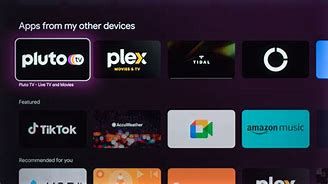
The A6 A65K occupies the opposite end of the spectrum: a mainstream, value-oriented set intended for buyers who want a capable smart TV without paying for high-end hardware. It typically offers 4K resolution, a straightforward LED panel, and a sensible set of smart features.
Key practical strengths:
Discover deals on TVs & Home Theater — updated daily.
See Deals →- Affordability: The A6 A65K is designed to offer solid picture quality at a much lower price point, making it attractive for families, bedrooms, or second-room installations.
- Sensible smart features: Most models include the common streaming apps and a usable smart OS. For many households, the on-board platform and remote provide everything needed for daily streaming and scheduling.
- Low to moderate brightness suited for typical living rooms: A mid-level LED panel is sufficient for daytime viewing in standard residential lighting conditions.
- Simple setup and low maintenance: Entry-level sets are usually easy to install and manage, with fewer menu options and less need for professional calibration.
Real-world use cases where the A6 A65K excels:
- Viewers who primarily stream 4K content on a budget and do not need flagship-level brightness or contrast.
- Secondary TVs for bedrooms, guest rooms, or apartments where cost and size are the main considerations.
- Homes that need a straightforward smart TV with common streaming apps and modest gaming from casual consoles.
Practical trade-offs
The A6 A65K sacrifices some high-end features: local dimming is often basic or absent, HDR highlights are more restrained, and motion handling can be less aggressive. For buyers who watch a lot of HDR cinema or who want the deepest blacks in dark-room viewing, the difference will be obvious. However, for everyday television watching — news, sitcoms, streamed films, and sports at typical distances — the A6 A65K is often “good enough” and represents strong value.
Pros & Cons
Qn800A 8K Qled
- Pros:
- Outstanding detail rendering and high-quality upscaling from HD/4K sources
- Strong HDR performance and elevated peak highlights
- Advanced local dimming for improved contrast
- Premium build and feature set for enthusiasts
- Cons:
- High purchase price; diminishing returns unless viewing conditions exploit 8K
- Limited native 8K content available
- May require better room acoustics or a soundbar for full home theater experience
A6 A65K
- Pros:
- Strong value for everyday viewing and typical streaming habits
- Lower power consumption and cost
- Simple configuration and user-friendly smart features
- Cons:
- Modest HDR highlights and contrast compared with premium sets
- Less effective upscaling and motion handling
- Fewer advanced gaming features and future-proof ports
Side-by-side comparison
| Criteria | Qn800A 8K Qled | A6 A65K |
|---|---|---|
| Resolution | 8K native; best for very large screens and close viewing | 4K native; excellent for most living-room and bedroom sizes |
| Panel technology | Premium Neo QLED with sophisticated local dimming | Entry/mid-range LED panel with simpler backlight |
| Upscaling and processing | High-end processor with refined upscaling algorithms | Basic to competent upscaling; good for 4K content |
| HDR impact | Stronger HDR highlights and better contrast handling | Moderate HDR performance; benefits from brighter rooms |
| Smart platform | Feature-rich platform with advanced options | Simple, user-friendly platform covering major apps |
| Gaming features | Often includes low-latency modes, VRR and HDMI 2.1 features | Suitable for casual gaming; advanced features may be limited |
| Price positioning | Premium — high initial cost | Budget or value-friendly |
| Best for | Cinephiles, large-room home theaters, tech enthusiasts | Budget-conscious buyers, secondary rooms, everyday streaming |
Buying guide — choosing the right TV for value
Deciding which TV is better value depends on how the set will be used. Below are practical questions and guidance to help buyers match a TV to their priorities.
1. What content does the household watch most?
If the majority of viewing is streaming 4K HDR movies or playing next-generation games, the Qn800A’s advanced processing and HDR performance will be valuable. Conversely, if viewing is mostly standard HD TV, sitcoms, news and occasional streaming, the A6 A65K provides adequate picture quality without the premium cost.
2. How large is the room and what is the viewing distance?
Resolution benefits scale with screen size and distance. For typical living rooms where viewers sit several meters away, the difference between 4K and 8K is less obvious. Only at very large screen sizes (75" and up) or close viewing distances will 8K resolution deliver clearly noticeable extra detail.
3. Will gaming be a priority?
Competitive and immersive gaming benefits from low input lag, HDMI 2.1 features (high frame rates, VRR) and responsive modes. If gaming is a core use case, prefer a model with robust game features. Flagship 8K models tend to include more of these capabilities; many budget models offer only basic support for gaming.
4. How important is HDR performance and bright-room viewing?
High peak brightness and effective local dimming make HDR content look more vibrant. If the room receives a lot of daylight or the buyer values punchy HDR highlights, a higher-tier set will perform better. For dimmer rooms or casual viewers, a mid-range panel usually suffices.
5. Smart platform and ecosystem compatibility
Smart TV experiences vary. Consider which streaming apps and voice assistants are essential. Flagship models may receive longer software support and offer more advanced features (e.g., multi-user profiles, ambient modes), while budget models cover core streaming needs with simpler UIs.
Find top-rated TVs & Home Theater products at great prices.
Browse Now →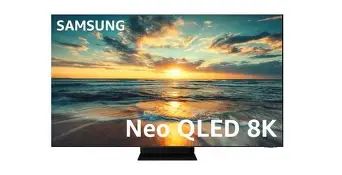
6. Ports, connectivity and future-proofing
Look at HDMI counts and versions, eARC support for soundbars, and Wi-Fi standards. If the buyer plans to attach multiple source devices or a high-end AV receiver, a TV with more and newer ports is a better long-term choice. Premium models usually have a more future-ready I/O set.
7. Calibration, warranty and total cost of ownership
Remember that initial price isn’t the only cost. Premium TVs may benefit from professional calibration to unlock the best picture, and adding a soundbar improves overall experience. Consider warranty coverage and energy efficiency; cheaper sets can be cheaper to operate but may lack long warranties.
Final recommendation — which is better value?
Value is subjective and depends on use. For most buyers seeking a balanced purchase that delivers quality without excess, the A6 A65K represents very good value: it covers everyday needs, streams major services, and fits common room sizes at a friendly price point. It is particularly compelling for secondary rooms, renters, and households prioritizing cost and simplicity.
However, for viewers who treat the TV as the center of a home theater experience — watching a lot of HDR movies, gaming on modern consoles, or installing a very large screen — the Qn800A 8K Qled is the better long-term investment. Its advanced upscaling, improved contrast and premium features justify the higher cost for enthusiasts who will exploit those strengths.
In short: choose the A6 A65K for smart, practical savings and reliable daily performance; choose the Qn800A if high-end image quality, larger screen sizes and advanced features are worth the premium. Buyers who prioritize value should match the TV to their room, viewing habits and expected lifespan rather than assuming that higher resolution alone equals better value.
Conclusion
Both the Qn800A 8K Qled and the A6 A65K have clear roles. One is a premium, feature-rich model aimed at enthusiasts and large-screen viewing; the other is a value-oriented, no-fuss option well-suited to mainstream households. Careful consideration of viewing distance, content habits, gaming needs and budget will point shoppers toward the set that provides the best value for their situation. Ultimately, value is about fit: the A6 A65K fits many everyday needs efficiently, while the Qn800A fits those who demand the last word in picture performance and are prepared to pay for it.